
ERP Housekeeping: Why Clean Data Matters
Housekeeping is an essential part of running an effective ERP system. It is also unglamorous and can look like something we shouldn’t focus our time on. But if you want a single system, with no workarounds, you need to be able to rely on the data.
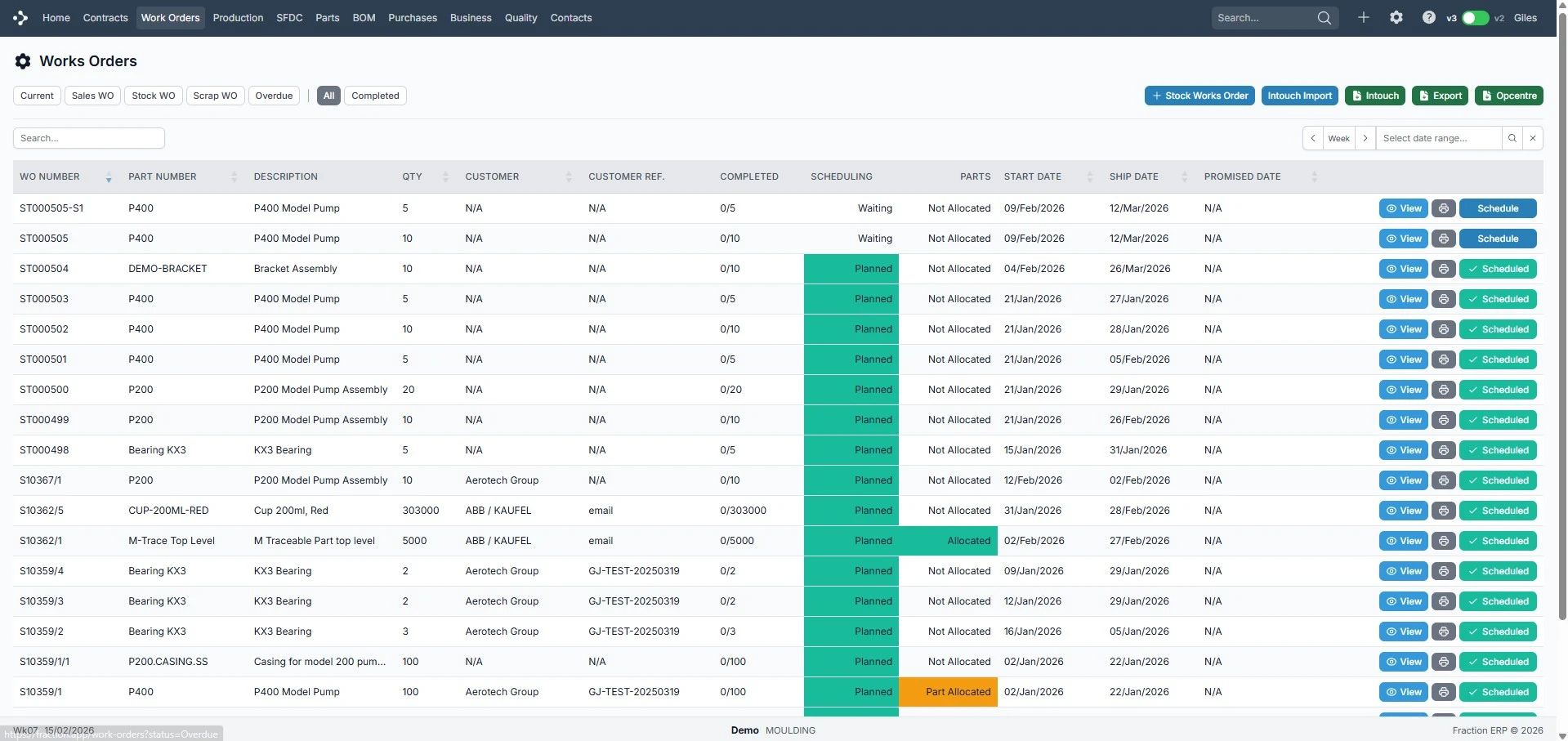
Avoiding dirty data
When data inside an ERP system gets “dirty”, the effectiveness of the system is compromised. By dirty, we’re talking about either incomplete records or the wrong data being entered. This typically happens because people are busy, but it can also be a product of inadequate training.
When your team can’t fully rely on the system’s data, decisions can’t be made from it. This is usually the point where secondary spreadsheets or additional apps start to get used. Instead of fixing the problem, ERP usage drops off.
ERP systems are a productivity and performance investment. You don’t want to minimise your return on that investment, so keeping data clean is critical.
From last to first place
To show you how failing to maintain data can affect performance, let us share a quick example from consultancy work before Fraction ERP.
An aerospace component manufacturer had an expensive ERP system. But their scheduling team were using spreadsheets to plan production, and it just wasn’t up to the job. There were two factors preventing them from using their system more effectively.
Firstly, they weren’t maintaining the delivery dates in their sales order book. This had a knock-on effect on the works order dates and, in turn, the operation dates in the system. No wonder the scheduling system didn’t do anything useful: the information was completely out of sync with reality.
Secondly, they hadn’t configured their scheduler, including work centre hours and utilisation, so it wouldn’t have worked anyway.
Long story short, we implemented a housekeeping routine, a new starter onboarding and training checklist linked to SOPs, and configured the scheduler. Within three months, they had gone from being the worst performer in their supply chain league table to the best. More work followed, and everyone bought into the process.
Create your housekeeping routine
If you haven’t defined your ERP housekeeping routine and you aren’t getting the best from your current ERP system, we urge you to take a look at this area.
When we designed Fraction ERP, it was essential to us that it was easy to learn so dirty data was harder to produce. We still stick to this design philosophy, even now that Fraction ERP has much more power and functionality built into it.
Good luck with your data tidy-up, and never stop keeping on top of it!