
What is MRP? (Material Requirements Planning Explained)
A Simple Guide for Manufacturers Using Spreadsheets or Manual Planning
Most manufacturers are already doing MRP — they just don't call it that. If you're using spreadsheets, whiteboards, or manual processes to plan materials, track stock, and manage production, then you are doing Material Requirements Planning. The challenge is doing it accurately, consistently, and at scale.
What Does MRP Stand For?
MRP stands for Material Requirements Planning.
It is a system used to determine:
- What materials are needed
- How much is required
- When they are needed
The goal: ensure materials are available for production — without overstocking.
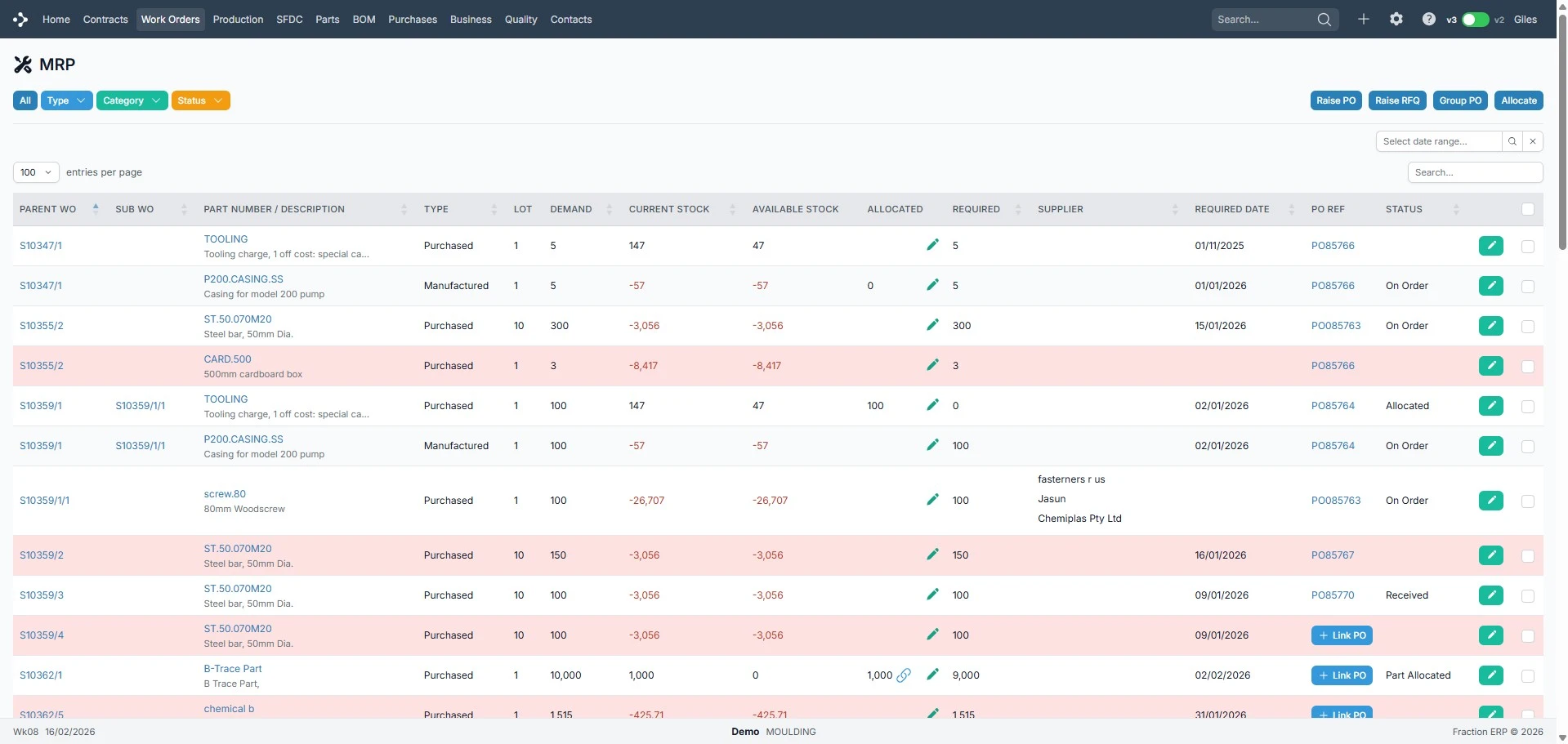
How MRP Works (Simple Explanation)
At its core, MRP connects three key elements.
Demand
What needs to be produced — from sales orders and forecasts.
Bill of Materials
What components and raw materials are required, and in what quantities.
Inventory
What you already have in stock — determining what still needs to be purchased.
MRP combines demand, BOM, and inventory to calculate these outputs automatically.
Example of MRP in Practice
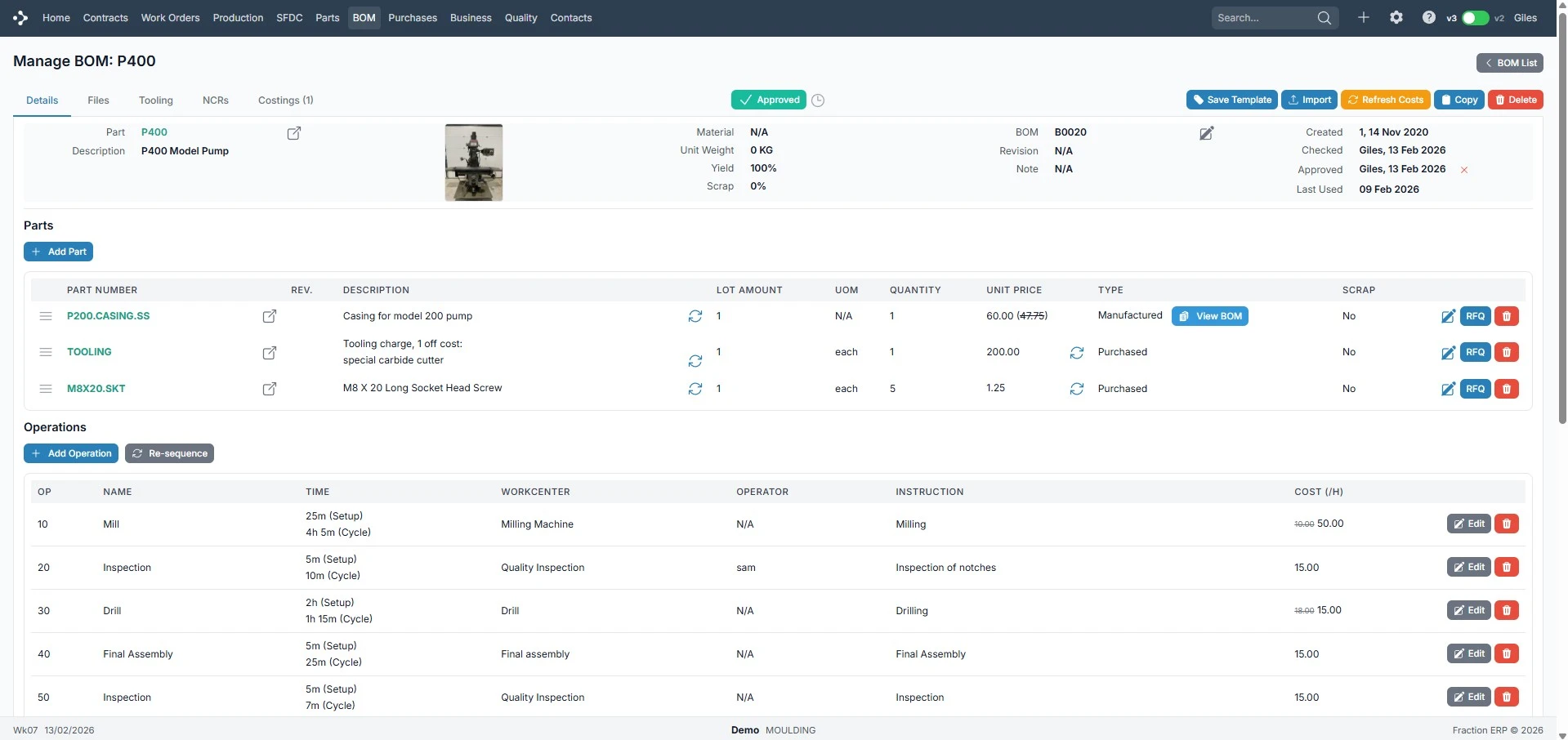
Imagine you receive an order for 100 units of a product. Your system checks:
- The bill of materials for that product
- Your current inventory levels
It then determines:
- What materials you already have
- What needs to be purchased
- When those materials are required
This ensures production can run without delays.
Why MRP is Important in Manufacturing
Without MRP, manufacturers face:
- Stock shortages that stop production
- Excess inventory tying up cash
- Poor visibility of requirements
- Constant manual planning
MRP helps solve these by:
- Improving planning accuracy
- Reducing waste and excess stock
- Ensuring materials arrive on time
The Problem: MRP in Spreadsheets
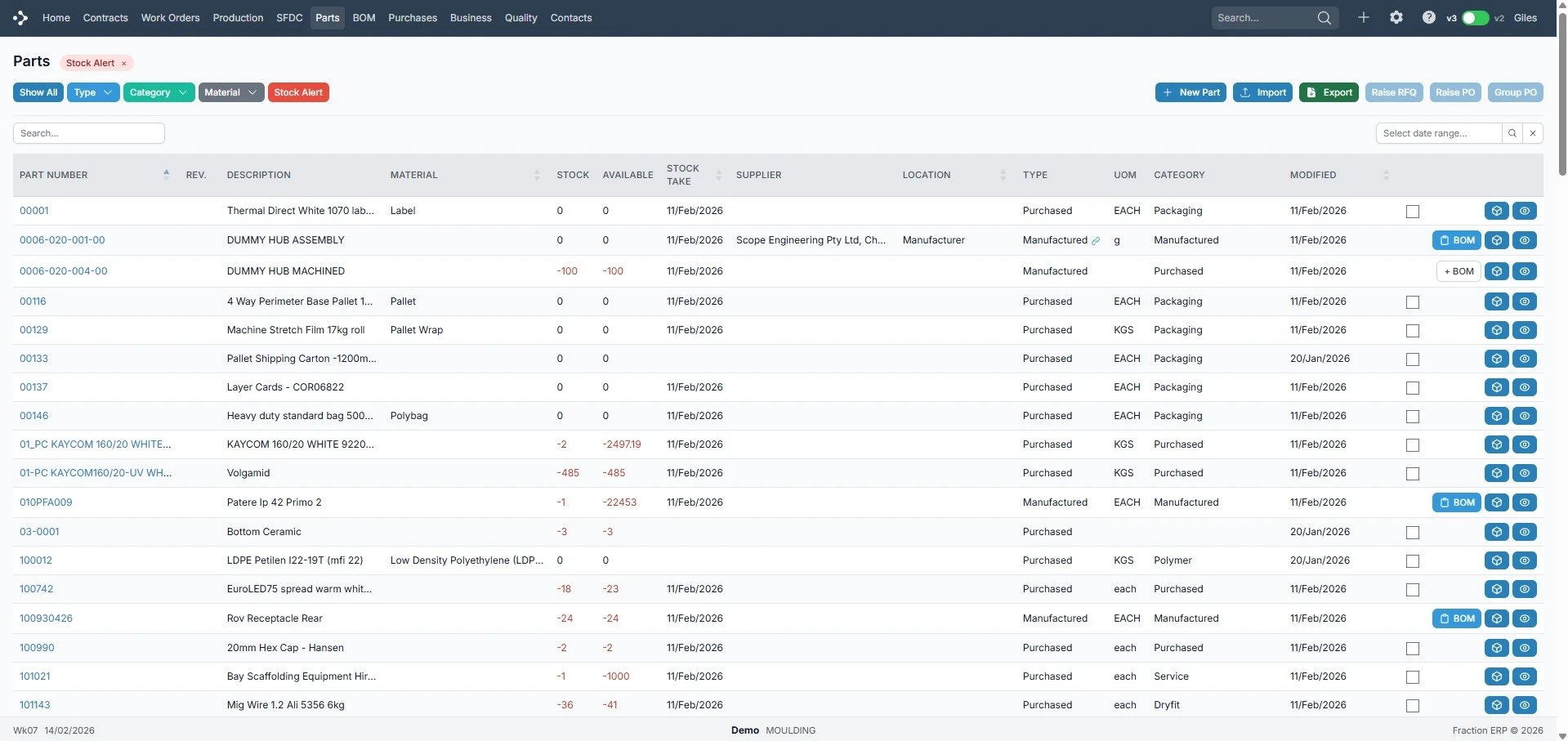
Many businesses manage MRP using Excel. While this works initially, it becomes difficult as complexity increases.
Common issues include:
- Manual data entry
- Errors in formulas
- Outdated information
- Lack of real-time visibility
What is MRP Software?
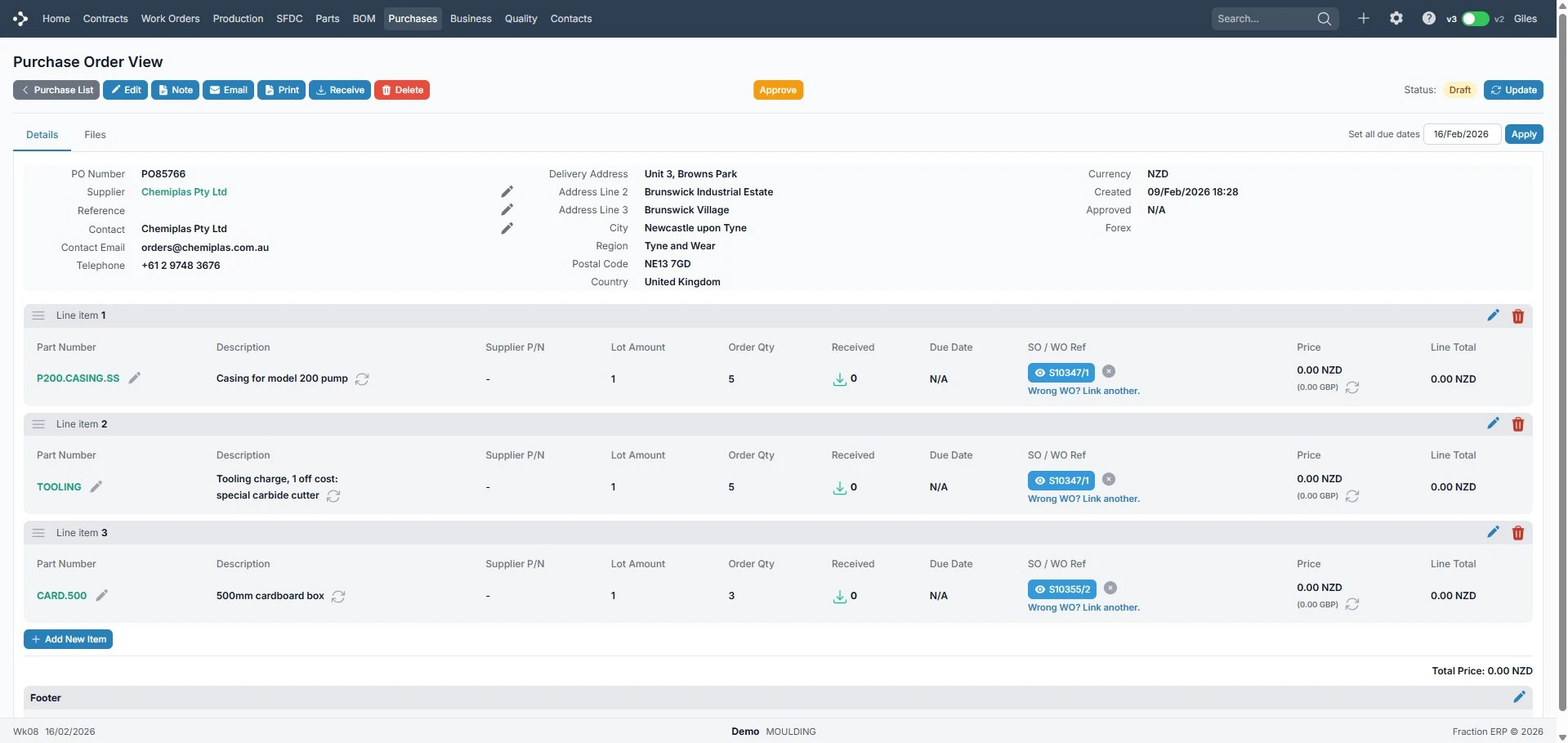
MRP software automates the material planning process. Instead of manual spreadsheets, it:
- Calculates material requirements automatically
- Updates data in real time
- Connects inventory, purchasing, and production
This reduces errors and saves time.
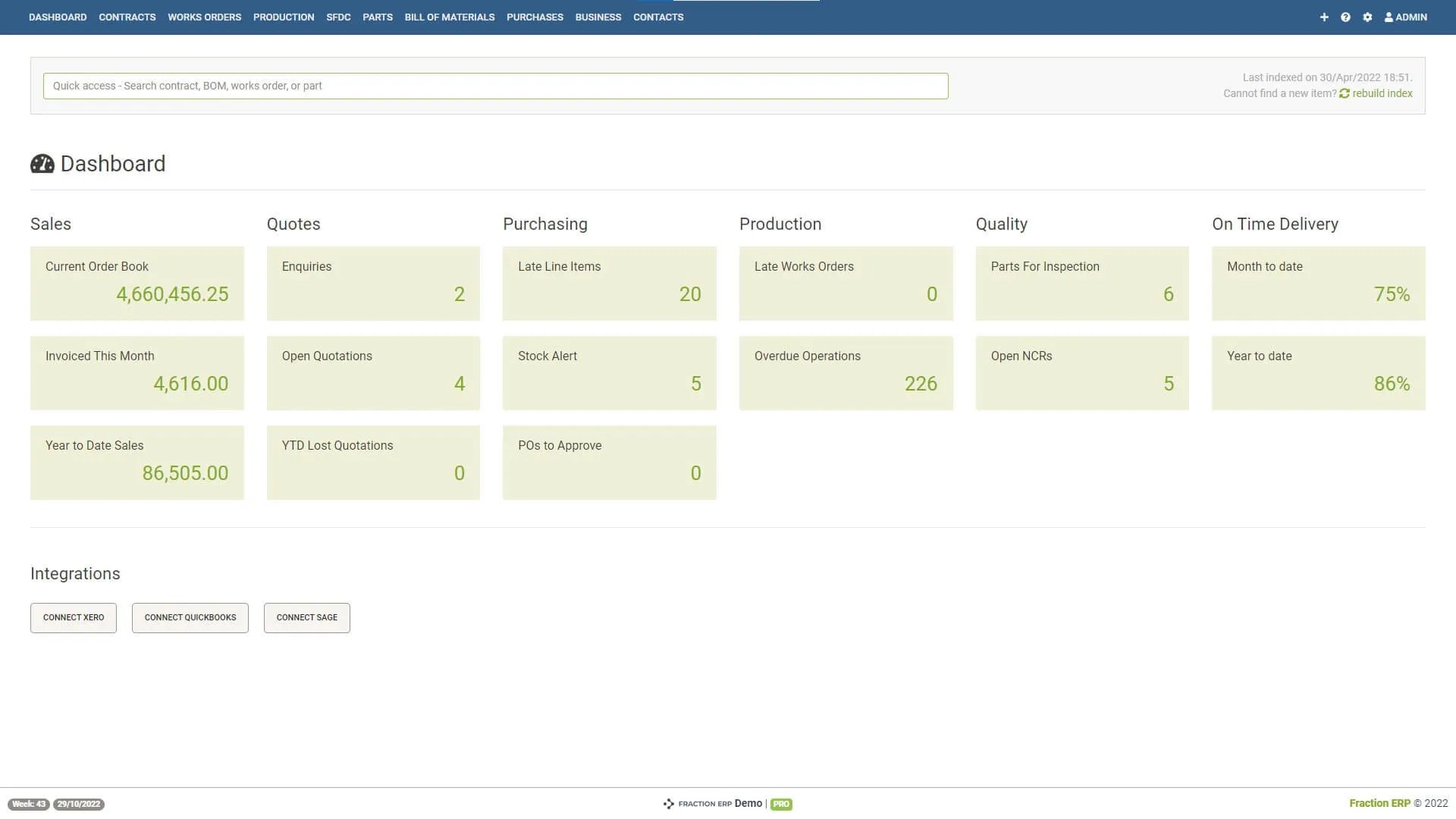
See how MRP software works in practiceWhat is the Difference Between MRP and ERP?
MRP focuses specifically on materials planning.
ERP (Enterprise Resource Planning) is a broader system that includes:
- MRP
- Production scheduling
- Inventory management
- Purchasing
- Sales and order management
- Shop floor data capture
In modern manufacturing, MRP is usually part of a wider ERP system.
When Do You Need an MRP System?
You may need MRP software if:
- You are using spreadsheets to manage materials
- You frequently run out of stock
- You hold too much inventory
- Planning takes too long
- You struggle to meet delivery dates
These are all signs your current process is not scalable.
Benefits of Using an MRP System
MRP helps move your business from reactive to planned operations.
Frequently Asked Questions
What is MRP in simple terms?
MRP is a system that calculates what materials are needed, how much is required, and when they should be available for production.
Can MRP be done in Excel?
Yes, but it becomes difficult to manage as complexity increases, leading to errors and inefficiencies. Learn more.
What industries use MRP?
MRP is used across manufacturing industries, including engineering, injection moulding, and assembly operations.
Is MRP the same as ERP?
No. MRP focuses on materials planning, while ERP includes MRP plus other business processes in one system.
Move Beyond Manual MRP
If you are currently managing materials manually, you are already doing MRP — just without the right tools. The next step is a system that can automate planning, provide real-time visibility, and scale with your business.